Showing posts with label spend less. Show all posts

14 May 2012

Getting off the grid


A minimalist lifestyle is the most effective and easy way to free yourself of debt and the trap of material possession, but people have different strategies to live lives that are less dependent on materialism. One lifestyle is referred to as getting off the grid. This means adopting a lifestyle where you are not in contact with society and you are self-sustaining when it comes to three major factors: waste disposal, electricity and water.

The “grid” refers to the way in which our houses are usually set up: on a power grid where we (who can afford it) receive water and electricity without a second thought of where it comes from. From above, suburbia also looks like a grid and many people feel that this lifestyle that is separated from nature and contributes to the detriment of the ecology is not for them. The simple truth is that living on the grid is not contributing to a sustainable future for the planet as waste disposal, generating power (if done with fossil fuels, like most power is generated at the moment) and food production are the major contributors to environmental destruction.

Of course, people have very different reasons for deciding that they want to live such a lifestyle and there are just as many ways to go about it. On off-grid.net one can find information about all the difference aspects of off-grid living. It also allows for people to connect with each other so they don’t have to go at it alone. Anyone who has seen Into the Wild and other movies where people take themselves away from the hustle and bustle in favour of nature will realize that there are dangers to going at it alone.

Some who live off the grid don’t separate themselves from society as much as someone who decides to travel to Alaska, for example. It simply means living in such a way that you are not dependent on the water, electricity, waste disposal and housing of suburban society. Some even stay in mobile homes, which as you don’t have to buy your own land and you can simply pick up and move in a heartbeat, but those who settle with a home can have other advantages such as growing their own food, settling into one place, sharing their lives with animals and living more comfortably as they are pretty much set once they have organized ways to tend to their needs.

Some will save to start their lives off the grid and others sell all their possessions they will no longer be needing off the grid to start over. Living off the grid is often associated with frugal living as people either have simpler jobs, jobs they can do over the internet or only work on improving their surroundings and making the most of what they have. There is no drive for better material possessions as few people will see your house and the most important things would be to have it sturdy and functioning. When you have to create your own power and water sources you are also far less likely to waste power on things like a TV and other gadgets and will save it for cooking, hot water and lights.
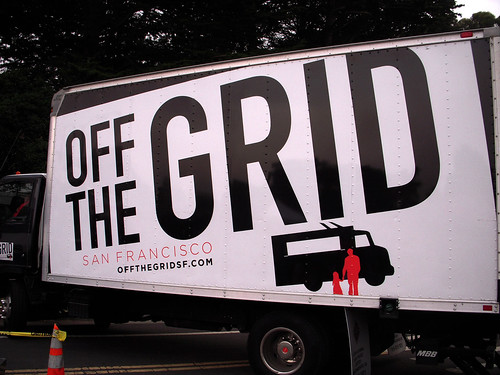
Image of a van promoting off-grid living, by axmai
People find that this way of life gets them in touch with what really matters: their families, enjoying their time and working towards a better future instead of contributing to the destruction. Some have found a simpler yet more purpose-driven life living close to nature and not spending hours every day in a work environment that they hate to come home to a house that does not satisfy their need for relaxation and the things that are truly important (and aren’t “things” at all). 

25 April 2012

A new way to approach financial freedom


Living with less can give your family a better quality of life


Image: Explore gardens, thrift shop to save money or go for walks
 instead of spending money at the mall
Downsizing your life and spending less than you earn is not a guarantee that you will not end up in debt. However, when you spend less than you earn you can pay back the debt you accumulated when an emergency came up. You also don't have to touch your savings: when you spend less than you earn you will not be tempted to use your credit cards and instead of taking out a loan to cover an emergency, you can use your “emergency fund” that you have set aside by living more conservatively. As you are already used to living below your means, in the months after the emergency you can pay back your credit instead of putting your 10% (or whichever percentage you keep) to your savings account.

Credit cards can be good for emergencies – however – they must be used with great caution and monitoring the balance on your credit card and making sure you pay off the monthly balance is adviseable in order to avoid sky high interest rates and penalties. Abuse of credit cards is one of the big reasons people get into debt, so be careful.

But how do we live below our means and ensure this peace of mind? It takes some sacrifices and a new mind set. You will have to focus on spending less and earning more. However, the benefits are countless. Also, you can reward yourself for your efforts with something you really want and it will be much more enjoyable than having everything you want but you are in danger of becoming over indebted by NCR standards

The Digerati Life gives some tips on earning more and spending less. This might seem very time-consuming, but you have to be smart about it. Once you get used to saving money and you find ways to earn more, you will have to spend less time running around and more time living a more care free life. Their first tip to saving money is avoiding temptation and focussing your attention away from advertisements and situations where you know you will be tempted to spend on things you don’t need. When you’ve made the decision to rather be defined by who you are than what you own, it will be easier to avoid TV advertisements, shopping trips with friends, expensive restaurants or any other situation that triggers you to spend. Don’t let instant gratification affect your saving resolutions.

Another smart tip is to pay yourself first every month. Draw up a budget, allow yourself a little extra (you’re not trying to live like a pauper, after all), and put the rest in a savings account at the beginning of the month so you’re not tempted to spend any of it when the end of the month gets closer. Living below your budget by shopping at discount stores and buying second hand will also mean you have more money to do something fun you really want to do, and not because there is pressure on you from friends or advertisers to spend.

There’s no way around this, however: you will have to cut out your vices. Luckily, most of these are bad habits that you can only be better off without, such as smoking, drinking, convenience foods and junk foods. Gambling, designer clothes and expensive hobbies might not be bad for your health, but you can certainly do without them.
When you have a family, looking for new ways to entertain yourselves can be a challenge in the beginning as everyone needs to adapt, but it can also be very rewarding. Getting off Facebook and seeing friends can only do you good. 

While it is fun to watch satellite television or go to family restaurants, it is much more valuable for a family to do other, more constructive and cost-effective activities that they enjoy. Look for activities that create stronger bonds, allow your family to get some exercise, develop new skills or see new places. Exploring the outdoors is a low cost way to entertain a family. Pack a picnic, set out for the day and you will be entertained and invigorated by the experience. Doesn’t that sound better than going to the mall?

Another big way to save is downsizing your house and car. And it’s not just your mortgage that will decrease when you downsize: the bigger your house, the more maintenance costs will be involved. A garden can be valuable - you and your family can grow your own produce as a hobby. Re-evaluate your transport: a new car can get you around in style and comfort, but you can still travel without it: minimalists will rather opt for cycling, using public transport or if these aren’t options, owning second-hand cars that are the most economical to drive. Look for a car that has low fuel consumption and get it serviced every time it is due. This will save maintenance and travel costs in the long run.

You will notice that a life with less is not only good for your pocket, but also for our planet and your health. Not only do you have to be more active to adapt to a more minimal lifestyle, but unhealthy convenience foods cost more than eating your own fresh produce or shopping for whole foods and cooking up a storm. You and your family will be happier, healthier and more positive for making the change to living with less.


Image courtesy of bvalium
Related Posts Plugin for WordPress, Blogger...