Showing posts with label living with less. Show all posts

14 May 2012

Getting off the grid


A minimalist lifestyle is the most effective and easy way to free yourself of debt and the trap of material possession, but people have different strategies to live lives that are less dependent on materialism. One lifestyle is referred to as getting off the grid. This means adopting a lifestyle where you are not in contact with society and you are self-sustaining when it comes to three major factors: waste disposal, electricity and water.

The “grid” refers to the way in which our houses are usually set up: on a power grid where we (who can afford it) receive water and electricity without a second thought of where it comes from. From above, suburbia also looks like a grid and many people feel that this lifestyle that is separated from nature and contributes to the detriment of the ecology is not for them. The simple truth is that living on the grid is not contributing to a sustainable future for the planet as waste disposal, generating power (if done with fossil fuels, like most power is generated at the moment) and food production are the major contributors to environmental destruction.

Of course, people have very different reasons for deciding that they want to live such a lifestyle and there are just as many ways to go about it. On off-grid.net one can find information about all the difference aspects of off-grid living. It also allows for people to connect with each other so they don’t have to go at it alone. Anyone who has seen Into the Wild and other movies where people take themselves away from the hustle and bustle in favour of nature will realize that there are dangers to going at it alone.

Some who live off the grid don’t separate themselves from society as much as someone who decides to travel to Alaska, for example. It simply means living in such a way that you are not dependent on the water, electricity, waste disposal and housing of suburban society. Some even stay in mobile homes, which as you don’t have to buy your own land and you can simply pick up and move in a heartbeat, but those who settle with a home can have other advantages such as growing their own food, settling into one place, sharing their lives with animals and living more comfortably as they are pretty much set once they have organized ways to tend to their needs.

Some will save to start their lives off the grid and others sell all their possessions they will no longer be needing off the grid to start over. Living off the grid is often associated with frugal living as people either have simpler jobs, jobs they can do over the internet or only work on improving their surroundings and making the most of what they have. There is no drive for better material possessions as few people will see your house and the most important things would be to have it sturdy and functioning. When you have to create your own power and water sources you are also far less likely to waste power on things like a TV and other gadgets and will save it for cooking, hot water and lights.
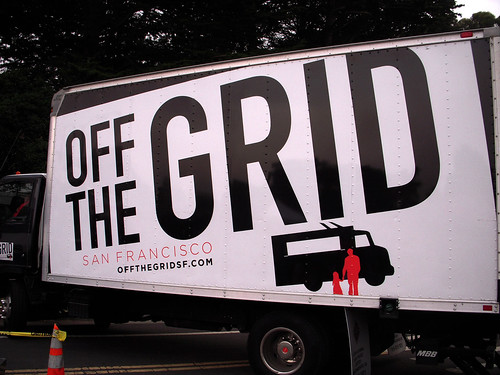
Image of a van promoting off-grid living, by axmai
People find that this way of life gets them in touch with what really matters: their families, enjoying their time and working towards a better future instead of contributing to the destruction. Some have found a simpler yet more purpose-driven life living close to nature and not spending hours every day in a work environment that they hate to come home to a house that does not satisfy their need for relaxation and the things that are truly important (and aren’t “things” at all). 

30 April 2012

Our Facebook page


Debt Free Living now has a Facebook page. Living With Less focuses on inspiration for living a simpler life in our consumer culture. It's not easy to break the habits of a lifetime and to stop looking to retail therapy and expensive things to make us feel better, so seeing some inspiration on your newsfeed helps. We also share links to other minimalist-inspired blogs and articles to help you on your way to saving money and saving yourself from the stress of debt and a cluttered life.

26 April 2012

How to start uncluttering your family home


In the previous posts about saving money by living simpler and the benefits of uncluttering were discussed and how it can make you happier and live more free…but how does one actually go about this uncluttering business? You might feel like it will be very exhausting to try and sell all your unnecessary possessions. Not to mention, you will actually have to go through everything, sort it, bin it, box it, and clean the things you cannot part with. And then organize everything from the top down. Granted, this is very daunting, but taking small steps and seeing it as an on-going project to a better life is the key.

If you live with a family, getting them to help you will take some motivation. Luckily, once your other family members see how much better it feels to live in a house that is free from clutter, where everything is easy to find and clean, most of them will come around and help with the next room you sort through. For some, the fear of losing something of value that they could have sold is enough to make them help you sort the stuff. Don’t be scared to help them throw away something you know they’ll never use and listen to your family members when they tell you you’ve only used that foot spa once. When you’re all in it together it makes things much easier.


An uncluttered family room can still be comfortable, image by Posh Living, LLC


The same goes for keeping your home uncluttered: once your family values the new, open space they will be less likely to add new possessions or to allow others to bring in clutter. This may cause a few tiffs, but think of it this way: you won’t be fighting about losing stuff in your home as the fewer possessions you have, the less likely you will be to lose something and blame each other for not helping in the search for the car keys, the tog bag or the dog’s lead. Cleaning and tidying will also be much less of a hassle.

If you have kids, take the toys at the bottom of their toy pile and put those toys away where they can’t find them. If they don’t ask for the toy within the next month, they will forget about it. You can keep sneaking toys they don’t play with to the “missing toys” box in a cupboard they won’t look or the garage. Do this every few weeks. If your child gets bored with the toys that are left and asks for new ones, take some from the “missing toys” box and put the ones they are currently tired of in there again. Not only will they find toys exciting again after they were missing for months, making you smile because you don’t have to buy new ones all the time, but there will be fewer toys to lie around the house and clutter up their rooms.

Remember that it is an on-going project, that you have to tackle one area at a time and that it will take a change in your old habits and spending patterns. Kids will still nag for new toys if you go to the shops, so avoid taking them to the mall or toy shops. Not to mention, shopping will go much quicker and easier when you can focus on what you need to buy and you will spend less on things the kids want to eat. Normally, the things that your children want you to buy will be sweets or food with lots of colorants and sugar in them such as breakfast cereals and cool drinks that are expensive and have little nutritional value.

Not taking your kids to the shops will save you money or the guilt of buying them toys and “kids’” food when you know you are on your way to becoming over indebted. There are also much more productive ways for kids to spend their time: seeing friends, exploring new places, having picnics, doing crafts or starting a hobby will be of value to them in the long run. 


Where to start living with less

There’s so much to do!

Uncluttering can be daunting, but taking it step by step, room by room will motivate you. You will experience the freedom you feel when you have a minimalistic space.

Magazines, junk mail and books you have no interest in are major sources of clutter and easy enough to sort through, so start there. What you cannot donate, recycle. This is easy once you get the hang of it. Instead of putting junk mail or post on a table after reading it, throw it in the recycling or clip it on a board in the office space that says “to do” or “to pay”. Not only will you keep up with your bills and errands, but you won’t have newspapers, catalogues and letters piling up. Uncluttering makes life easier and saves you time in the long run.

Going through your cupboards is an important part of living with less. Not only will you be able to find things easier, but expired products won’t lurk in the back of your pantry and bathroom cupboards. When you know what is going on in your cupboards, you are much less likely to buy duplicate items and far more likely to notice when you run out of something. This will save you money and the frustration of wanting to bake a cake but there’s no flour.


A Japanese kitchen. The Japanese know the value of an uncluttered home
Image by Wootang01

Kitchen cupboards can be organized by only keeping the tubs that have lids and lids that have tubs, selling appliances you never use (waffle makers and potato shredders are nice, but do you really use yours?), throwing out the broken ones and putting the remaining things in containers that can be easily taken out and looked through. Sort things by type: you can even label your containers “bowls”, “large containers”, “lunch boxes”, “utensils” and so forth.

Once you have gone through located places, you can tackle the furniture in your home and sell furniture that no one ever uses. Keeping things off the floor is also an important rule: this will keep you from cluttering in the future and once you have no more piles sitting around, things will look and feel much cleaner and literally be easier to clean. Try keeping surfaces clear as well. Only have the necessary appliances in your kitchen and keep utensils in drawers or in containers in your cupboards where they stay dust free. We usually have way too many decorations in our homes of which most are rather unsightly. If you cannot bear to part with decorations, put them away and swop them around when you get tired of the ones currently on display. If you go back to them and you haven’t missed them, it’s time to sell or donate.

A minimalist home is not something you can organize and expect to keep if you don’t change your habits. Before buying something, think about how tidy your home is with few possessions, think about the debt you are trying to repay and think about what you are trying to achieve by making the purchase. Will you really be happier with a new TV or teacup set? Or are you trying to better your quality of living by accumulating things? As described in previous posts, life doesn’t work that way and owning less will mean less worries and more time to relax.

25 April 2012

Living with less

Image: A minimalist lifestyle means less stress and more time for the things you love


Living with less means a simpler life with fewer possessions, being happy with second hand or cheaper possessions, fewer luxuries such as expensive dinners or holiday trips and not choosing the biggest house you can afford. It might sound like you’re trading in a life of creature comforts and luxuries for a plain and boring life, but people who succeed in living this way do not look at it as a sacrifice. People choose to live a more minimal life because living below your means actually means that you have more freedom. Capitalist society wants us to spend: this is hard to deny as we are constantly bombarded with advertisements and we are always encouraged to look up to those who have more.

A minimalist lifestyle is also referred to as frugal living. Having more money kept away every month means that you are far less likely to need credit in case of an emergency. This means that people who live this way have more financial freedom and little or no debt. The burden of debt often keeps us awake at night, but those who choose to live below their means make a conscious decision to save rather than buy on credit. These people don’t necessarily earn large amounts of money; they just intentionally don’t spend it all by having a different outlook on life than most. They value independence from financial worries higher than seeming successful or feeling empowered by the possessions that they own.


The other advantage of living with less is that you have less to budget for each month. However, this only applies to people who are good at earning more than they spend. The Digerati Life makes the distinction between earning more than you spend and spending less than you earn. People who spend less than they earn make a conscious decision to stick to a budget, while those who earn more than they spend make an effort to earn a bigger income than they need to cover their basic necessities. The first is motivation to keep your life simpler by keeping in mind that you want that freedom of having money left at the end of the month and the peace of mind that comes with it. The latter reminds you that money does not come easy and to live comfortably and worry free means hard work, so the less you spend the less you need to work and vice versa.

At this point you may think about how hard this is. After all, we often think for our lives to be fulfilling it is necessary to have a satellite dish, store cards, a new car, designer clothes, the latest gadgets and the like. We did not consciously decide this, but we are taught that possessions mean comfort and freedom when often the opposite is true. We tend to think happiness and comfort can be bought, and this is true to a degree as we need some basic things to be comfortable, but those who live minimalist lifestyles know that being content and appreciating the small things in life means living with less clutter and possessions.

The same principle of living with less goes for where we live: having a large house is great when you have people over, but it costs a lot more, is harder to look after or demands more maintenance costs than a smaller home. Those of us who live above our means also tend to collect possessions. This can mean that our living spaces become crowded and it creates some anxiety (even sub-consciously) when we live in cluttered homes.
But what if you are already over indebted? By now you are probably kicking yourself for living above your means and not saving as much as possible. However, a minimalist lifestyle can definitely help! Scaling down as much as you can will allow you to focus on getting back on track with your finances and beginning to focus on the important things in life. South Africa’s Credit Protection Act allows those who are over indebted the opportunity to hire a debt counsellor and to go under debt review. Adopting a minimalist outlook can make the debt review process much easier for you.

The counsellor will look at all your living expenses and budget for the necessities while the rest of your income will go towards paying back your creditors after restructuring your payment plan. If you can adapt to live with less, you can pay back your creditors as fast as possible and you don’t run the risk of running out of money at the end of the month. This can be a real problem and you are not allowed to take out a loan once you are under debt review. If your choose to skip a payment to your creditors, the debt counsellor or creditor can cancel the debt review because they seek to help those who are serious about getting out of debt.

No matter what your circumstances, living with less has definite benefits for those who want financial freedom or those who want to focus on the important things in life and escape the cycle of consumerism. 
Related Posts Plugin for WordPress, Blogger...